

Let’s be honest: nobody actually wants to sign a 12-month office lease just to host a two-hour client pitch. Yet for decades, that’s been the default option for small businesses, freelancers, and remote teams who need a professional space once in a while but not, you know, forever.
The good news? You don’t have to. Learning how to rent a meeting room by the hour is one of those small business hacks that saves you thousands of dollars and an obscene amount of paperwork. No lease. No deposit. And no mystery commitment you forgot about until your accountant brings it up in March.
In this guide, Circle Hub will walk through exactly how the process works, what to look for, and what it actually looks like in practice.
Why Hourly Beats a Long-Term Lease (Most of the Time)
Here’s the math nobody tells you when you’re starting out: a long-term office lease is a fixed cost. An hourly meeting room is a variable one. And variable costs are a lot kinder to cash flow, especially if you’re not using a conference room every single day.
Renting by the hour makes sense if you’re:
- A consultant who meets clients a few times a month
- A startup founder running investor pitches
- A sales team that needs a closing room, not a permanent HQ
- A hiring manager doing in-person interviews
- A remote team that occasionally needs to be in the same room
In every one of these cases, paying for a desk you don’t sit at 358 days a year is just… silly. Hourly rentals exist precisely so you stop doing that.
How to Rent a Meeting Room by the Hour: The 5-Step Process

If this is your first time, here’s exactly how to rent a meeting room by the hour without overthinking it:
1. Define your headcount and tech needs first. Are you presenting slides to 4 people or running a strategy session for 12? Do you need a TV screen, a whiteboard, or video conferencing? Know this before you start browsing, or you’ll end up calling five places asking the same question.
2. Look beyond hotels. Hotel conference rooms exist, but they often come with catering minimums and banquet-style pricing. Coworking spaces and business centers are usually cheaper and more flexible, and they’re built for exactly this use case.
3. Compare hourly vs. daily rates. Most providers offer both. If your meeting runs more than 4-5 hours, do the math — daily rates often work out cheaper once you cross that threshold.
4. Check what’s actually included. Wi-Fi and a table are the bare minimum. Look for parking, coffee, printing, and reception support, since these add real value (and save you from running to Starbucks mid-meeting).
5. Book online and confirm the cancellation policy. Most modern spaces let you book directly through a website form or booking tool. Always check how far in advance you can cancel or reschedule penalty-free — plans change, and you don’t want to eat a fee over it.
What a Good Hourly Meeting Room Should Actually Include
Not all rentable rooms are created equal. Before you book, run through this checklist so that you know how to pick the best meeting space for your needs:
- ✅ Whiteboard or flat-screen TV for presentations
- ✅ Glass-enclosed or soundproofed walls for privacy
- ✅ Reliable, fast Wi-Fi
- ✅ Printer access nearby
- ✅ On-site parking
- ✅ Coffee, tea, or water included (not vending-machine sad water)
- ✅ Room sizes that scale, from a small huddle space to a full boardroom
If a listing is missing more than two of these, keep scrolling.
Renting a Meeting Room by the Hour at Circle Hub Northridge
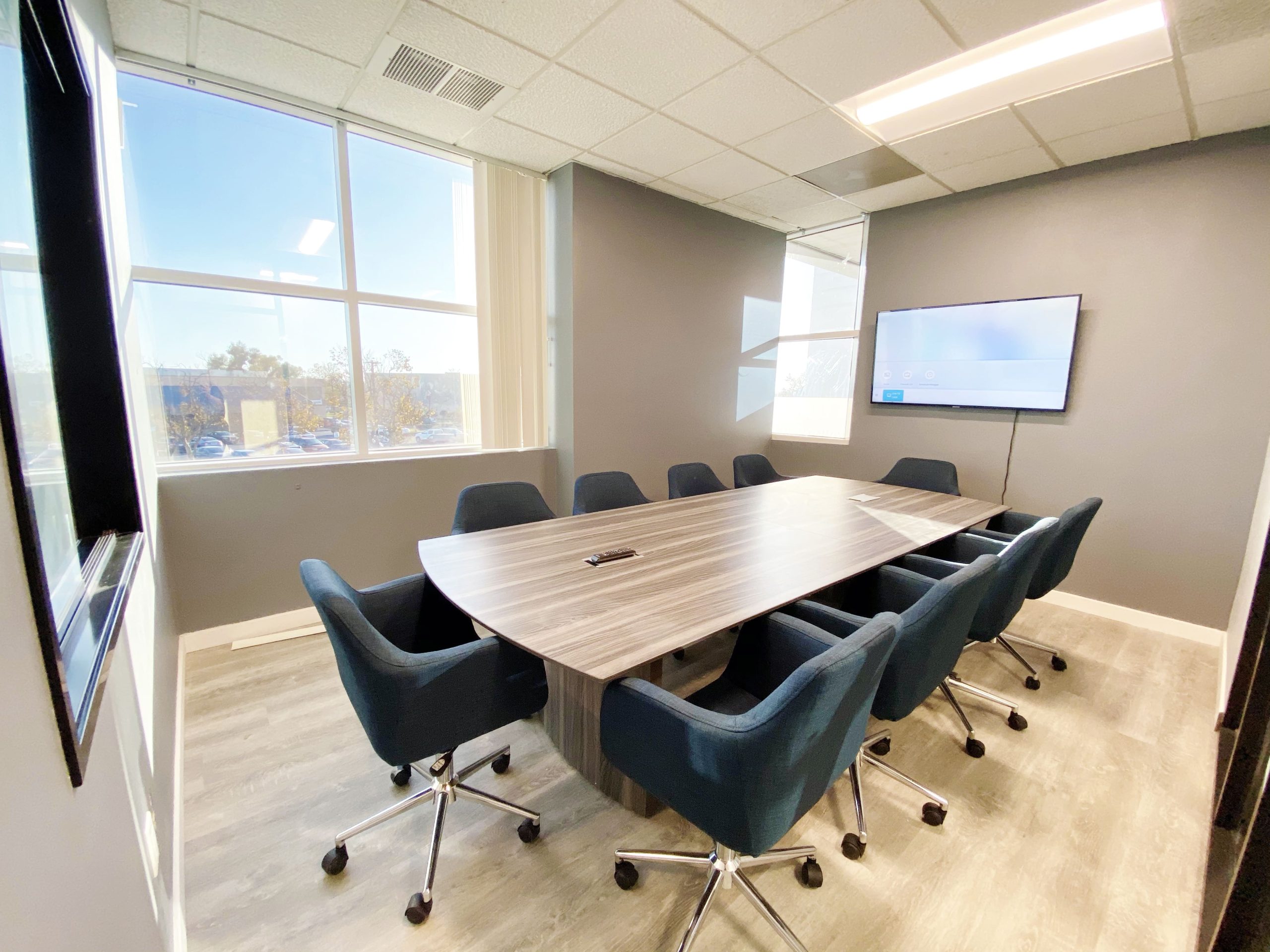
To show what this looks like in the wild, let’s walk through an actual example: Circle Hub Northridge, located at 19849 Nordhoff Street in Northridge, California — a few minutes from the Northridge Fashion Center, which is convenient when your meeting wraps up and the team wants dinner and drinks afterward.
Pricing
Meeting rooms start at around $40 per hour, with rates scaling based on room size and capacity. There’s also a daily rate option for sessions that run longer than a typical half-day, which is handy if you’re running a workshop instead of a quick check-in.
Room Sizes
This is where Circle Hub Northridge actually shines for variety. Our conference room lineup includes:
- A 6-person glass-enclosed room on the first floor, equipped with a whiteboard and flat-screen TV
- A 10-person room, also on the first floor
- An 8-person room on the second floor
- An 11-person room, also on the second floor
- Larger setups that scale up to roughly 16 people for bigger gatherings
That range means you’re not stuck overpaying for a 12-person boardroom when all you need is a glass box for four.
Hours and Access
Circle Hub is open daily from 8 a.m. to 8 p.m., seven days a week — including weekends. True 24/7 access is rarer than it should be in the coworking world. That flexibility matters if your team works odd hours or you need an early call before the rest of the office wakes up.
Amenities
Beyond the rooms themselves, bookings come with complimentary amenities, such as coffee and tea, high-speed Wi-Fi, printer and projector access, whiteboards, free water, and on-site parking. There’s also reception support, which is a small thing until you’re the one trying to direct a client through a building lobby while also trying to set up your laptop.
This is essentially the blueprint for how to rent a meeting room by the hour the right way: clear pricing, multiple room sizes, decent hours, and amenities that actually get used instead of just listed on a brochure.
Hourly vs. Daily vs. Membership: Quick Cost Comparison
Not sure which option fits your situation? Here’s the simple version:
- One-off meeting (1-4 hours): Book hourly. This is the cheapest, lowest-commitment option for pitches, interviews, or single client meetings.
- Workshop or multi-hour event: Book the daily rate. Once you’re past the 4-5 hour mark, daily pricing usually wins.
- Frequent user (weekly or more): Consider a dedicated desk or virtual office add-on. At that point, a light membership might actually save you money over repeated hourly bookings.
The whole point of learning how to rent a meeting room by the hour is flexibility — use the option that matches how often you actually need the space, not how often you think you might.
Quick Tips Before You Book
- Book 24-48 hours ahead for popular room sizes, especially on weekdays
- Confirm cancellation and rescheduling terms before you pay
- Double-check the tech setup (HDMI vs. wireless screen casting) works with your laptop
- Arrive 10 minutes early — fumbling with a door code in front of a client is not a great opener
- Send the address and floor/room number to your guests ahead of time, especially in larger buildings where the lobby alone could eat up five of your sixty minutes
- Ask whether the rate includes setup and breakdown time, or if that’s billed separately — some spaces start the clock the second you book, others give you a grace window
- Bring your own adapter or dongle just in case; “the room has a TV” doesn’t always mean it has the exact cable your laptop wants
- If you’re meeting a client for the first time, ask about the waiting area situation — a private spot to greet someone beats an awkward lobby loiter
- Keep a backup room size in mind when you book; if two extra people RSVP last minute, it’s easier to upgrade early than to cram everyone in at the door
FAQ
Can I rent a meeting room by the hour without becoming a member first?
Yes. Most coworking spaces let non-members book rooms directly through an online form or inquiry request — no membership required.
How far in advance should I book an hourly meeting room?
24-48 hours is a safe bet. Same-day bookings often work too, but larger rooms (8+ people) tend to fill up fast during the workweek.
Is renting a meeting room by the hour cheaper than a hotel conference room?
Generally, yes. Coworking spaces like Circle Hub start at around $40/hour, often undercutting hotel meeting packages that bundle in catering minimums you don’t actually need.
The Bottom Line
You don’t need a lease to look professional. You just need a room, a working TV, decent Wi-Fi, and maybe a coffee that isn’t from a vending machine. Now that you know how to rent a meeting room by the hour, the rest is just picking the right room for the job.
If you’re in the Northridge area, Circle Hub’s lineup of hourly conference rooms — from cozy 6-person glass rooms to full 16-person setups — is worth a look before you book anywhere else. Schedule a visit, check current availability, and tour the space for yourself before your next big meeting.