

By 2026, the conversation around where and how we work has moved beyond simple categories. No longer framed as a battle between “office vs. remote,” the future of work is about flexibility, purpose, productivity, and connection. Professionals today increasingly ask: Which work model supports my career, wellbeing, and collaborations – remote, hybrid, or coworking?
The models for remote and hybrid work 2026 will be showcasing each have undeniable strengths. However, the coworking model shines as the most adaptable and empowering option, especially because it enhances both remote and hybrid work rather than competing with them. For many professionals, coworking offers the freedom of remote work, the collaboration of hybrid setups, and a sense of community and professionalism that neither fully remote nor hybrid days at home can deliver.
And when it comes to coworking designed for this new era, Circle Hub stands out as a workspace ecosystem engineered to support every work style in 2026.
What Work Looks Like in 2026
The pandemic triggered the highest-velocity cultural shift in workplace history. Suddenly, organizations and workers proved that work could happen anywhere. Fast forward to 2026, and there’s broad agreement that:
- Remote work is here to stay.
- Hybrid work has become the most common structured model for many organizations.
- Coworking has grown from an alternative to a preferred work model for a large segment of professionals.
Yet the practical question remains: Which model supports success most consistently? The answer for many professionals is not one over the other – it’s both remote and hybrid, supported through coworking environments like those offered by Circle Hub.
Remote Work: Freedom With Trade-Offs

Remote work unlocked something deeply meaningful for millions of professionals: autonomy. Working from home, a café, or while traveling allows people greater control over their schedule, environment, and, for many, their well-being.
The upside of remote work:
- Zero commute saves time and money.
- Work from anywhere gives flexibility for travel or living in lower-cost areas.
- Custom work environments tailored to individual preferences.
Still, remote work has real trade-offs:
1. Isolation and Mental Load
Working alone can diminish connection. Many professionals describe remote work as liberating yet lonely. The missing day-to-day interaction can affect creativity, camaraderie, and emotional support. These are elements that are intangible but critical to long-term satisfaction and professional growth.
2. Distractions and Boundaries
At home, the line between personal life and work blurs. Without physical separation between “office” and “home,” some professionals experience harder stops at the end of the day, leading to burnout.
3. Networking Gaps
Remote professionals miss out on spontaneous hallway conversations, serendipitous connections, and informal learning that happens simply by being around others.
Remote work 2026 is great for independent tasks and deep focus. But dynamic projects, community building, and collaborative idea generation often benefit from physical space and shared energy.
This is where coworking adds value, especially for remote professionals who want connection without sacrificing autonomy.
Hybrid Work: Balance With Boundaries
Hybrid models – splitting the week between home and office – became the dominant corporate strategy after 2020. The logic was straightforward: retain remote flexibility while maintaining corporate culture and collaboration through in-person days.
When it comes to hybrid work 2026, professionals have noticed the following benefits:
- Structured collaboration time with teams.
- Remote days for deep work.
- Less commute overall compared to traditional office journeys.
However, the hybrid work 2026 brings also comes with drawbacks:
1. Office Overhead
Companies maintaining large office spaces still incur real estate and operational costs. For some organizations, this model no longer makes financial sense, especially as many workers demand flexibility.
2. Inconsistent Collaboration
Scheduled office days can create pressure to be present even when not truly needed. Meanwhile, informal interactions and spontaneous creativity are still limited to “meetings,” not everyday moments.
3. Lack of Workspace Choice
Hybrid models often default to a centralized office location chosen by the employer. Workers trade the flexibility gained from being remote for the predictability and rigidity of scheduled office days.
This is where hybrid work combined with coworking offers a compelling solution: Work where you want, when you want, and with whom you want, without the constraints of traditional office expectations.
Coworking: A Flexible Model for the Modern Professional

Coworking was once seen as a niche alternative to the office. In 2026, it has matured into a full-fledged work model that supports remote, hybrid, and on-demand work styles seamlessly.
At its heart, coworking offers:
- Professional workspaces designed for focus, collaboration, and productivity, like Circle Hub’s Hot Spots.
- Community and connection with other professionals. Coworking is great for networking!
- Flexibility that adapts to how you want to work, whether daily, weekly, or monthly. Some coworking spaces, including Circle Hub, are even open 24/7.
But coworking in 2026 is not just a desk rental service. Spaces like those created by Circle Hub elevate this model to meet the full needs of today’s workforce. With additional business amenities and a number of well-being resources, the coworking spaces of today have really evolved.
Why Professionals Lean Toward Coworking in 2026
Coworking has become attractive for three big reasons:
1. It Complements Remote Work
Remote professionals often crave balance. They want the freedom to work independently without sacrificing social and professional interaction. Coworking delivers just that by:
- Providing a professional workspace outside the home.
- Allowing drop-in access for focused work or scheduled sessions with clients.
- Offering social, community, and networking opportunities — things remote work alone cannot consistently provide.
Circle Hub amplifies this advantage by designing spaces that feel alive but focused, where professionals can plug in and start working immediately, whether they need a quiet desk, a collaborative table, or a conference room.
2. It Enhances Hybrid Work
Coworking doesn’t replace hybrid work – it elevates it.
Instead of commuting to a central corporate office on mandatory days, professionals can choose coworking locations that are:
- Closer to home, reducing commute time. Circle Hub has two easily accessible locations to choose from.
- Better suited to their tasks (quiet focus vs. meetings).
- More community-centric, so collaboration happens naturally rather than on a calendar.
With Circle Hub, hybrid work 2026 professionals can book spaces that fit their day. They can choose from quiet work pods for focus, open collaboration zones for meetings, or private offices for team sessions.
This flexibility means hybrid work becomes worker-driven, not office-driven.
3. It Builds Community and Serendipity
One of the biggest intangible benefits of coworking is community. At home, professionals rarely bump into someone unexpectedly inspirational. In a coworking space, that happens every day.
Coworking unlocks:
- Cross-industry conversations – conversations you wouldn’t get in a corporate office.
- Informal mentorships – insights from people you might never meet in remote work.
- Events, workshops, and networking – curated opportunities to grow professionally.
Circle Hub intentionally cultivates these connections with regular events, skill workshops, and networking programs. This makes the workspace feel like a professional ecosystem, not just a desk.
What Circle Hub Brings to the Table
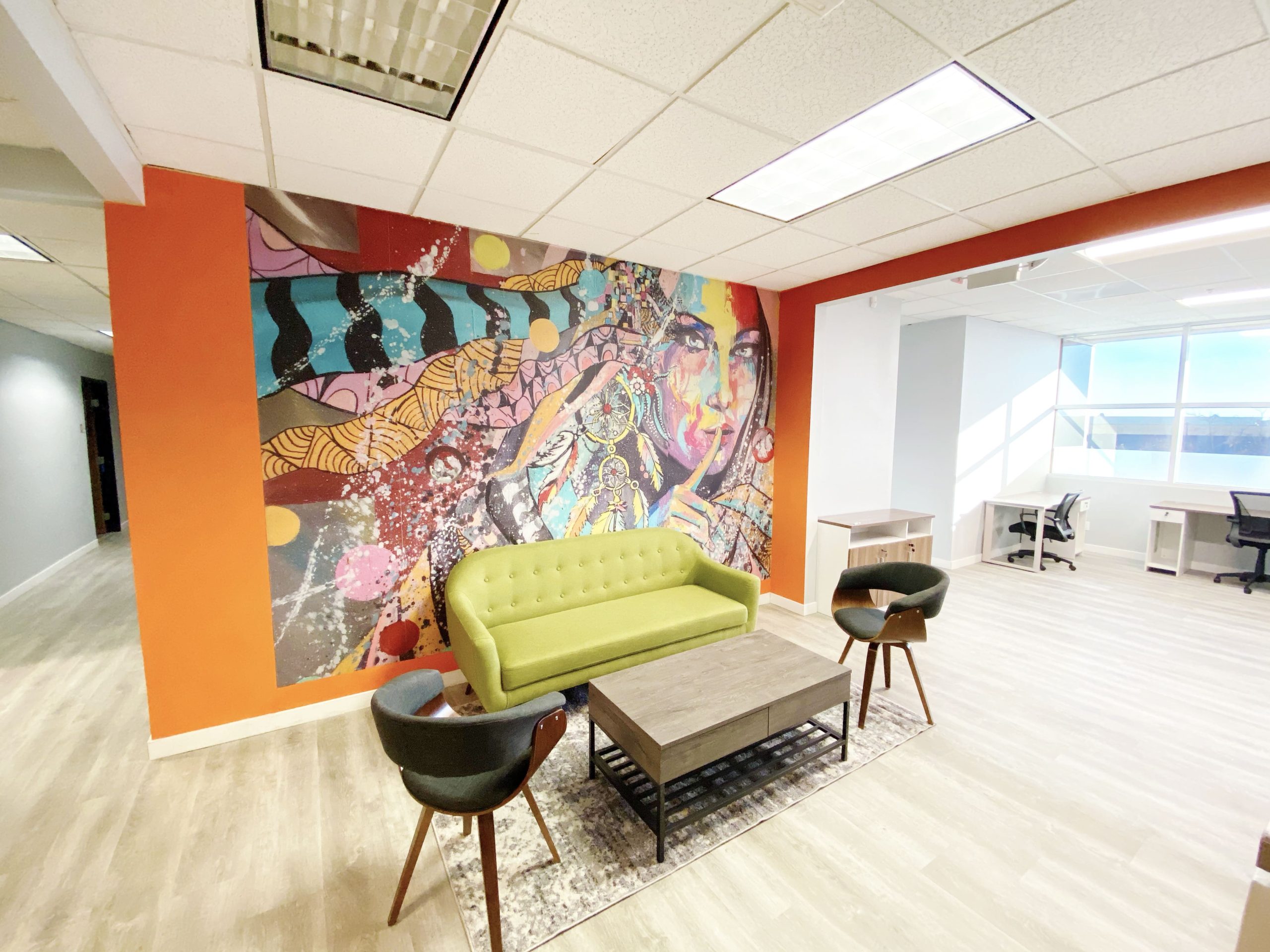
If you’re evaluating coworking options in 2026, Circle Hub is one of the standout platforms redefining what a workspace can be. Here’s how Circle Hub supports professionals across remote and hybrid models:
Variety of Workspace Types
Not all work happens in the same mode every day. Circle Hub delivers:
- Open coworking areas – great for collaborative work or community feel.
- Quiet focus zones – for deep work and productivity.
- Private offices and meeting rooms – when privacy or client meetings matter.
- Event and workshop spaces – designed for learning and engagement.
This variety means Circle Hub supports the full range of professional needs, from solo deep work to group strategy sessions, all under one membership umbrella.
A Professional Yet Comfortable Environment
Coworking spaces aim to strike a balance between professionalism and comfort. Circle Hub spaces are thoughtfully designed to:
- Boost creativity.
- Reduce stress.
- Improve productivity.
- Encourage connection.
The result? An environment where professionals feel inspired, not confined, and productive, not pressured.
Community-First Approach
Circle Hub emphasizes community as a core value. Through curated events, member programs, and community gatherings, professionals find more than a desk – they find a network.
Networking in coworking isn’t forced. It happens organically:
- At shared desks.
- In lounge areas.
- During member mixers.
- At professional development workshops.
This sense of belonging is a powerful differentiator between coworking and isolated remote work.
Real Benefits That Matter
Here’s how coworking actually impacts professionals in real, measurable ways:
1. Higher Productivity
Studies consistently show that many workers report higher productivity in structured workspaces compared to home environments, especially for collaborative work.
2. Better Work-Life Boundaries
Coworking creates a physical separation between home and work that remote setups often lack. That separation helps professionals define when work begins and ends, reducing burnout.
3. Improved Professional Outcomes
Access to peers, feedback, and collaborators leads to greater opportunity creation. Thi sis something remote workers acting alone can struggle to find consistently.
Choosing What’s Right for You in 2026
Every professional’s needs are different…and they evolve. But in 2026, the data and experience point toward a reality where coworking is not an alternative to remote or hybrid work – it’s a partner to both.
Here’s a simple way to think about it:
- Remote work: Excellent for autonomy and independent focus, but lacks community.
- Hybrid work: Good balance between remote and in-person collaboration, but tied to office schedules and locations.
- Coworking: Delivers flexibility, community, productivity, and choice. It empowers professionals to work how they want.
And as organizations rethink office space and teams become more distributed, coworking spaces like Circle Hub provide the infrastructure to make remote and hybrid work functionally better for everyone.
Whether you’re a freelancer, startup founder, consultant, or corporate hybrid worker, coworking is not just an option – it’s a smart strategy for 2026 and beyond.
Want to know more about how coworking can elevate your work life? Click here to book a tour of Circle Hub’s coworking spaces!