
Picture this: it’s day one of principal photography, and your first AD is on the phone, white-knuckling the steering wheel, stuck in traffic 45 minutes from set. Why? Because someone booked the cheapest production office they could find without checking a map, a parking situation, or basic Wi-Fi speeds.
Nobody puts “commute chaos” on the call sheet. But it happens more than anyone in this industry wants to admit.
Here’s the truth: a production office in LA isn’t just a place to stash laptops and coffee cups. It’s mission control. Get it right, and your crew moves like a well-oiled dolly track. Get it wrong, and you’re bleeding hours, money, and patience before the camera even rolls.
This Circle Hub guide walks through exactly how to pick one — with zero fluff, and zero regrets on day one. No jargon, no vague “amenities” lists that mean nothing until you’re already locked into a lease. Just the practical stuff that actually separates a smooth shoot from a chaotic one.
Why Your Production Office Location Can Make or Break the Shoot Day
Let’s do quick math. Every extra 15 minutes of commute, multiplied by a crew of 40, is 10 wasted labor hours. Per day. That’s real money evaporating before anyone yells “action.”
A few things location quietly controls:
- Crew fatigue — nobody does their best work after a soul-crushing freeway crawl
- Gear runs — props, wardrobe, and equipment need to move fast, not across town
- Golden hour survival — losing light because someone’s stuck in traffic is a special kind of heartbreak
- Client and talent perception — a nearby, professional space says “we’ve got this,” not “we’re figuring it out”
Rule of thumb: aim for a production office in LA that’s within a 20-minute drive of set. Anything more, and you’re not saving money — you’re just relocating the cost somewhere less visible on the budget sheet.
The 5-Minute Checklist Before You Book Anything

Before you sign anything, run through this list. It takes five minutes and saves five headaches.
- Distance to set — map it in real traffic conditions, not Sunday-morning fantasy traffic
- Parking and loading access — can grip trucks and cargo vans actually get in and out?
- Wi-Fi and power capacity — dailies don’t upload themselves, and neither does anything else on a modern set
- Meeting room availability — for the calls that can’t happen in a hallway
- Flexible booking terms — day rate, weekly, monthly — your shoot schedule shouldn’t be held hostage by rigid leases
This is exactly the gap Circle Hub was built to close. Our flexible office spaces built for production schedules let you book by the day, the week, or the run of the shoot — no long-term lease, no guessing games about whether the space can flex with your production calendar.
Size Matters (But Not the Way You Think)
Bigger isn’t automatically better. A cavernous office with a skeleton crew just means more square footage to echo through during your 6 a.m. production meeting.
Every production has its own rhythm, and your office should breathe with it instead of fighting against it. Think in phases:
- Pre-production — smaller footprint, heavier on desks and phones
- Active shoot — needs room for department heads, script supervisors, and the inevitable “quick huddle” that turns into an hour
- Wrap — back to lean, focused on paperwork and returns
A scrappy indie crew of eight doesn’t need what a studio production with sixty people needs, and vice versa. Finding the right-sized production office in LA starts with knowing your actual headcount at each phase — not overestimating out of habit, and not underestimating out of budget anxiety.
Meeting Rooms Aren’t Optional — They’re Where Deals Happen
Here’s an underrated truth: a huge chunk of a production’s real business doesn’t happen on set. It happens in meeting rooms. Talent negotiations. Investor check-ins. Client walkthroughs. Insurance calls nobody wants to make but everybody has to.
None of that should happen in a break room that smells like burnt coffee and last week’s craft services.
A professional space signals professionalism — full stop. That’s why on-demand access matters so much. Circle Hub’s meeting rooms for producer and client calls are bookable exactly when you need them, without committing to renting a room you’ll only use twice a week.
If you’re evaluating any production office in LA, ask directly: can I book a private room on short notice, or am I stuck scheduling a week out? The answer tells you a lot about how the space actually operates.
The Hidden Costs Nobody Puts on the Call Sheet
“Budget-friendly” production offices have a funny way of getting expensive once you add up the fine print:
- Overtime parking fees that appear out of nowhere
- Printing and scanning charges per page (yes, really)
- After-hours access fees when your shoot runs long — which, let’s be honest, it will
- Coffee, water, and basic amenities that cost extra instead of being included
Here’s the contrarian take: cheap isn’t actually cheap if it costs you a wrap day. What a “budget” office space actually costs you is usually hidden in the invoice you get three weeks later, not the one you saw when you signed.
Look for spaces that are upfront about what’s included — power, Wi-Fi, common areas, basic amenities — so your line producer isn’t fielding surprise charges mid-shoot two weeks into principal photography.
A good gut check: ask for a sample invoice from a past client before you sign anything. If the space hesitates, that’s your answer. Transparent pricing isn’t a nice-to-have in production — it’s basic budgeting survival, especially when your line producer is already juggling a dozen other line items and does not need one more mystery fee showing up unannounced.
LA Neighborhoods Every Production Team Should Know
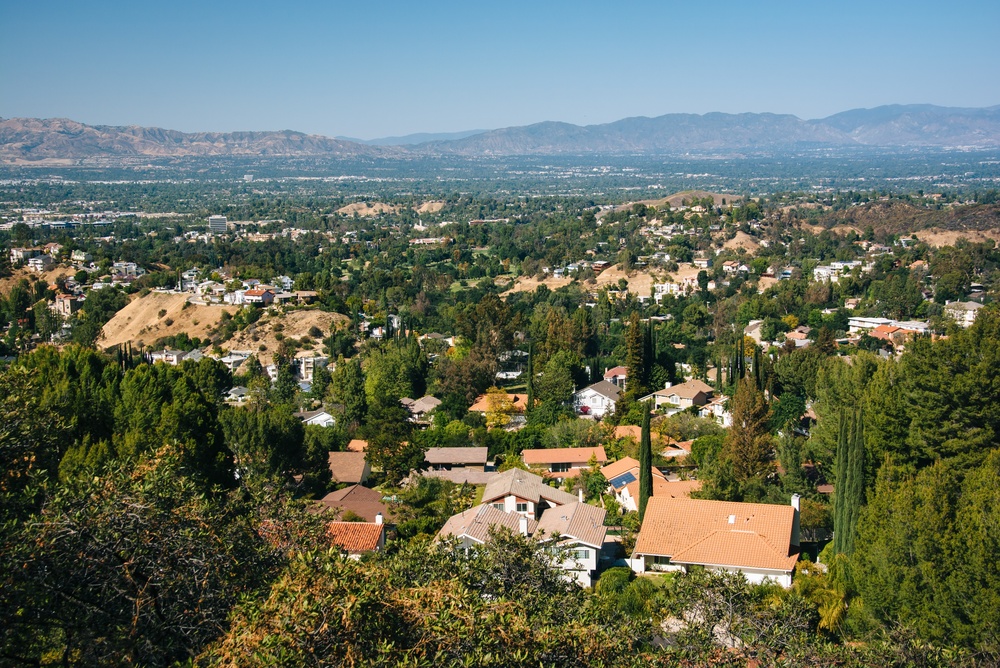
LA is enormous, and “close to set” means something different depending on where you’re shooting. Quick cheat sheet:
| Area | Good For | Why It Works |
|---|---|---|
| Northridge / San Fernando Valley | Studio-adjacent shoots, backlot access | Close to major studios, easy freeway access via the 405 and 101 |
| Hollywood / Burbank | Soundstage-heavy productions | Dense production infrastructure, short hops between lots |
| Downtown LA | Urban location shoots | Central, good for crews scattered across multiple sites |
| Westside | Commercial and brand shoots | Close to agencies and clients, if that’s your world |
Whichever neighborhood you’re shooting in, a centrally located production office in LA keeps your whole crew within reach — instead of scattered across three freeways and a prayer.
For productions working the Valley, Circle Hub sits right in Northridge — close enough to major studio lots that “quick supply run” actually stays quick, and close enough to the 405 that nobody’s calling in “stuck in traffic” excuses on day one.
Curious what that actually looks like in person? You can book a walkthrough of Circle Hub before committing to anything — no pressure, just a look at the space and a chance to ask the awkward logistics questions in person.
Booking Terms That Actually Match How Productions Work
Traditional office leases were not designed with film and TV schedules in mind. A 12-month commercial lease makes zero sense for a six-week shoot. Yet plenty of productions get talked into exactly that, because nobody offered them a better option.
What you actually want:
- Day rates for short shoots or tech scouts
- Weekly or monthly terms for longer productions
- The ability to scale up (more desks, an extra meeting room) as pre-production ramps into production
- No penalty for wrapping early — because shoots wrap early more often than anyone plans for
This is the flexibility angle worth pressing hard on when you’re comparing office spaces. Ask directly: “What happens if we wrap two weeks early?” The answer separates spaces built for production from spaces just renting desks.
It’s also worth asking how quickly you can scale. Pre-production might start with three desks and a coffee maker. Two weeks later, you might need a full department heads’ row, a second meeting room, and somewhere for the accountant to hide from everyone asking about per diems. A space that can flex with that curve — instead of forcing you into a fixed footprint from day one — pays for itself fast.
The Tech Stack Your Production Office Can’t Skip
Modern productions run on more than call sheets and clipboards. Think about what’s actually happening inside that office on any given day:
- Dailies uploading to the cloud in real time
- Video calls with studio execs who are, inconveniently, always in a different time zone
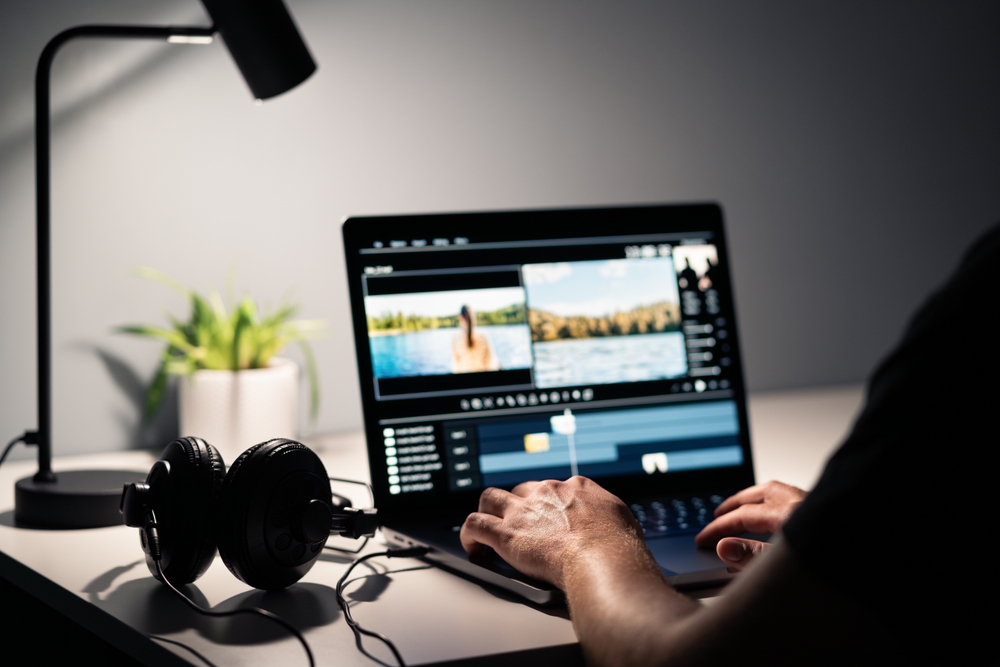
- Editors cutting selects on deadline, chewing through bandwidth like it’s craft services
- Multiple departments printing schedules, contracts, and revised sides simultaneously
None of that works on hotel-lobby Wi-Fi. Before booking, ask about actual upload speeds, not just “yes, we have Wi-Fi.” Ask whether the power grid can handle multiple monitors, chargers, and the occasional space heater someone smuggles in during a chilly Valley morning. These aren’t exciting questions, but they’re the ones that quietly determine whether your production runs smoothly or limps along on buffering icons.
FAQ: Quick Answers Before You Book
How far in advance should I book a production office for a shoot?
Aim for at least 2–3 weeks out for anything under 20 people, and 4–6 weeks for larger crews. Popular spaces near major studios fill up fast during peak production seasons, so earlier is always safer than sorry.
Can I rent a production office for just a few days?
Yes — and you should look for spaces that explicitly offer day rates. Tech scouts, short commercial shoots, and quick reshoots don’t need (or deserve) a monthly commitment.
Do production offices provide parking for crew vehicles and trucks?
It varies wildly, so always ask before booking. Confirm both standard crew parking and space for larger vehicles like grip trucks or wardrobe trailers — this is one of the most commonly overlooked details until day one.
The Bottom Line
Choosing a production office isn’t about finding the cheapest square footage or the flashiest address. It’s about matching the space to how your crew actually moves, works, and problem-solves under a ticking clock.
Run the checklist. Question the hidden costs. Know your neighborhood. And don’t settle for a lease that fights against your shoot schedule instead of supporting it.
Next time you’re scouting near set, skip the guesswork — a production office in LA that actually gets production life makes every single shoot day easier.
Click here to book a tour of Circle Hub’s office spaces today!